There’s a certain kind of pain you get running through your poor old ears when your headphones don’t quite fit.
You might not notice it at first, but it’s building up. Sadly, not all headsets are created with comfort in mind. So today’s mission is to dig out the absolute 100% most comfy over ear headphones on the market.
Oh, and they have to sound pretty damn good too…
A good pair of Bluetooth comfy headphones are certainly not cheap and you’ll want to research into this before taking the plunge. So let’s dive in and find the best ones.
Quick answer: for the best mix of comfort, noise cancelling and sound, go for the Bose QuietComfort 35. For a lighter fit and longer battery life, the Sony WH-1000XM3. On a tight budget, the Panasonic RP-HTX80. And if you only listen at home and want the most comfortable wired pair, the Beyerdynamic DT880. Newer models have been released since these were launched (Bose and Sony have both moved on a generation or two), and the older ones often drop in price, which can make them the smarter buy.

In This Guide
How to get super-comfy headphones
We’ve all been there. Nice new headphones that cost loads of cash but then you’re hit with one of these ugly sisters:
- Sweaty ears (yuk!)
- Headsets that are way too tight
- Cups that don’t fit your ears and squish and rub in all the wrong places
- Headphones that feel like you’re carrying rocks around they’re so heavy
In this quick guide we’ll go over some of the world’s most popular comfy headphones and figure out which ones you might consider if you’re looking for the ultimate comfort for your ears.

#1 Choice:
Bose QuietComfort 35
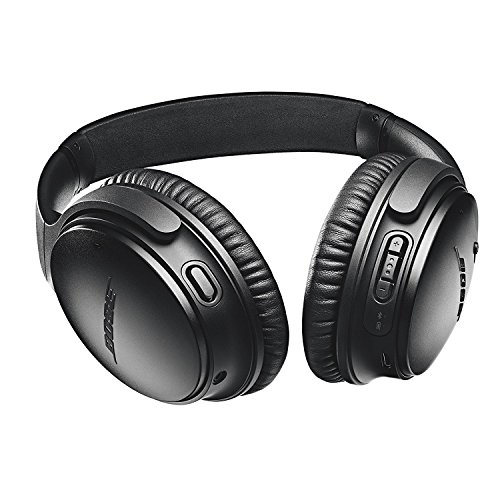
It’s no surprise that a Bose product is our number #1 pick for the Best Comfortable Over Ear Headphones category.
Top notch sound quality
We’ll get to comfort in a minute, I promise, but there wouldn’t be much point in all of this if our headphones are as comfy as a pair of old slippers, but sound like a cat with a sore throat. If you haven’t already heard the news – the Bose Quiet Comforts do indeed sound fantastic.
Loud, deep bass and fantastic noise cancellation combine for a superb quality sound.
Best noise reduction
While most decent headphones that do not go in your ears do a pretty good job at reducing outside noise, the Bose goes the extra mile. It’s packed with the latest tech that cuts back on everything from voices to traffic. And they even do the job on an aeroplane. Switch off from the noise. Get into your tunes!
But are they comfy?
The BOSE Quiet Comfort series 2 are … dramatic pause … might possibly be the most comfy pair of headphones you’ll ever clamp on your head. They’re not too heavy and don’t crush your ears.
If you’re looking for a pair you can wear and wear, this is the one to go for. You can keep them on for hours and not feel the slightest discomfort. That’s largely due to the gorgeous soft faux leather on the cushions and the good sized cups.
Quick charge, Alexa and more…
Charged via a USB from a wall outlet, or your computer, the QuietComfort 35s are quick to charge up and you’ll get a decent 20 hours playtime from that.
This set of headphones comes with Alexa at your beck and call. You can also sync them with the Bose app and get things like firmware updates easily that way.
Verdict: There’s a case to be made that you get what you pay for and, while the Quiet Comforts are definitely not the cheapest pair on the market, they represent the best quality and comfort around at the moment. The sound is really good quality and they fit extremely well.
- Comfy enough to wear for hours on end
- Snappy, modern design
- Perfect sound quality
- Do a great job of noise cancellation
- Quick charge and long lasting battery
- Messing with Alexa is always fun
- Definitely not the cheapest
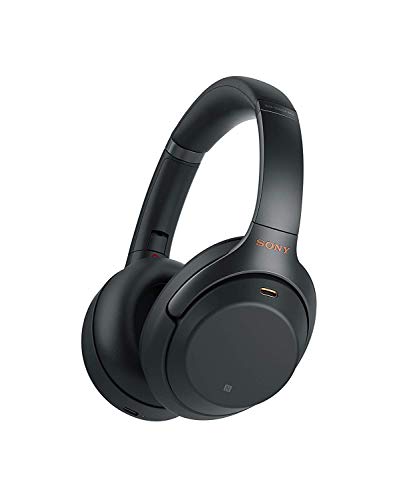
#2 Sony WH-1000X M3
Packed with technology
Does anyone say state-of-the-art any more? If they did, you could easily slap that title on the Sony WH1000X. The 3rd version of this set of headphones delivers substantial upgrades over previous ones while keeping it’s award winning comfort and design.
Super comfy over ear headphones
The third edition is even more comfy that it’s predecessors and is lighter too. Your ears won’t know what’s hit ’em. The padding on the cups is super-soft and the headphones hug your head, giving it a nice firm hug, like you get from your favourite aunt.
Lots of handy features
We’ll get to how comfy this headset is in a sec. But we’re blown away by the level of gadget wizardry in these headphones. For starters, there’s a touch sensor on the side which lets you adjust volume with a gesture.
Don’t need to take them off to hear people
You can also conveniently tap the side to be able to stop all that amazing noise cancellation and hear what’s going on. While the QN1 processor does all kinds of stuff behind the scenes to keep noise out and immerse you in your music.
Ideal for frequent flyers
If you’re a frequent flyer and are looking for some heavy duty noise cancellation. (And you’re going to need it, lets face it) then the Sony WH-1000XM3 is a good choice. The atmospheric pressure optimizer does a great job of keeping out unwanted audio.
Excellent play time
It’s pretty impressive to think how far chargeable headphones have come in terms of charge time. And the Sony WH-1000XM3 is really on top of the game, with a huge 30 hour play time per charge. You can also give it a quick 10 minute charge for an awesome 5 hour charge time.
Smart headphones
The built in processor does all sorts of smart things for you, including being aware of when you’re walking, where you are and optimizing the sound for you on the fly.
Verdict: Not a cheap headset again but it’s unbelievably comfy to wear and oozes Sony quality. The M3 is definitely an improvement over an already top notch set of headphones and definitely worthy of your cash.
- Lightweight, comfy and well designed
- Looks awesome too!
- Smart technology
- Excellent, rich audio
- Lengthy play time per charge
- Sound not as good as the Bose
#3 Panasonic RP-HTX80
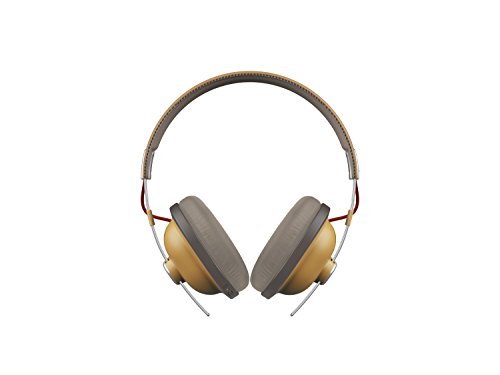
Oooo nice! A budget pair of comfortable wireless head phones!
Amazing, hip design
These headphones are definitely ‘on-trend’, without trying to hard. And the design is defintely one of the strong points. They’re available in 4 cool colours to choose from too.
Comfy pads with just the right amount of grip
It’s a delicate balance – too much pressure and you’re in for some discomfort afer a decent session. Too little and they’ll move around and drive you crazy. The Panasonic RP-HTX80 strikes it just right and are also nicely balanced.
Good sound quality
While not in the realms of the Bose or Sony headphones above, the sound quality here is good for the price and unless you’re an audiophile, you’re likely to find something here that you like.
Good charge time
This is a USB-charged wireless set and a full charge will give you around the 25 hour mark of playback. Surprisingly for a cheaper set of headphones, there’s a nifty quick charge feature that will net you a good 150 minutes for a fast 15 minute charge.
Verdict: Panasonic’s over ear wireless headphones are some of the comfiest headphones on the market and the sound quality is gorgeous. They look good and offer a lot of value for the price.
- Love the design of these headphones
- Sound great
- Good play time for each charge
- The pads are lovely and soft
- No extra noise cancellation
- Sound not as deep and rich as more expensive pairs
- Slightly light, cheaper feel
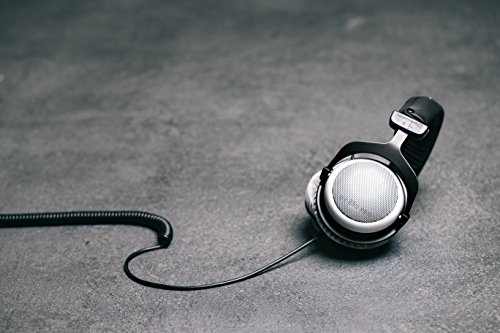
#4 Beyerdynamic DT880
Excellent neutral sound quality
If you’re really into your music and love to hear every instrument perfectly, this might be a good buy. Beyerdynamic, a German company, are well known for crafting incredible audio equipment and the DT880 headphones have a crisp sound that’s hard to beat.
Extremely comfortable
Imagine pressing the softest, most comfy pillows gently against your ears. Well that’s not even close to how respectful of your ears these over ear headphones are. Rather than some faux leather affair, the ear pads are made from soft breathable material.
Listening for long sessions? This is a great buy.
Oozes quality
There’s no cheap parts here, no rattles, just VERY high quality components used throughout. There’s a lot of love and thought gone into this highly aesthetically pleasing design.
Good price for such high quality headphones
The DT880 is a wired, semi-open design, which is part of why it sounds so spacious. It comes in different impedance versions (32, 250 and 600 ohm). The 32 ohm version works fine straight from a phone or laptop, while the 250 and 600 ohm versions really need a headphone amplifier to sound their best. Because they’re semi-open, they leak sound both ways: you’ll hear the room, and people near you will hear your music. That makes them a poor choice for trains, planes or a shared office, but a joy at home.
Verdict: A really strong entry into the comfortable head phones market, with sound quality being at the top of the list. The skin-friendly pads are a joy to wear too.
- Extremely comfortable to wear
- Lets your skin breathe
- Excellent aesthetic you’ll want to show off
- Good neutral sound
- High quality materials
- Higher-impedance versions need a headphone amplifier
- Semi-open, so they leak sound and let noise in
- Wired only
What actually makes headphones comfortable?
Comfort isn’t one thing. It’s the combination of five, and a pair that’s brilliant in four but poor in the fifth will still end up in a drawer.
- Weight. Anything under about 250g feels light on the head. The heaviest studio headphones can be over 400g, which you’ll notice after an hour. Sony’s WH-1000XM3 and the Bose QC35 are both well under that.
- Clamping force. This is the squeeze of the headband. Too much causes headaches around the temples; too little and they slip. Headbands on new headphones are always tighter, and usually relax a little over a few weeks.
- Ear pad material and depth. Memory foam wrapped in protein leather (often called faux leather) gives the best seal and noise isolation, but gets warm. Velour or fabric pads, like the Beyerdynamics use, breathe better but let a little more noise in.
- Cup size and shape. Your ear should sit fully inside the cup without touching the inside. If your ear folds against the driver, you’ll feel it after half an hour.
- Headband padding. A wide, softly padded band spreads the weight. A thin band concentrates it on the top of your head.
Comfortable headphones if you wear glasses
Glasses are the hidden problem with over-ear headphones. The arms of your glasses get pressed between the pad and your head, which breaks the seal (so bass and noise cancelling suffer) and creates a pressure point. Look for headphones with soft, deep pads, a modest clamping force and a slightly lower-profile cup. Memory foam pads mould around the arms better than firmer ones. If you wear glasses a lot, thin-framed styles with slim arms also help.
How to keep headphones comfortable for longer
- Adjust before you wear. Extend the headband to roughly the right length first, then fine-tune once they’re on. The band should rest on top of your head, not push down on it.
- Take breaks. Even the best headphones benefit from a short break every couple of hours. It lets your ears cool and reduces fatigue.
- Turn the volume down. Loud listening causes ear fatigue quickly. If you need it very loud to drown out background noise, active noise cancelling will let you listen at a lower level, which is kinder to your ears.
- Replace worn pads. Most well-known headphones have replacement pads available. Fresh pads restore the seal and comfort, and can make old headphones feel new.
- Clean them. A quick wipe of the pads with a slightly damp cloth removes sweat and skin oils that make pads sticky and break down the material.
Which comfy headphones suit which situation?
- Flying and commuting: Bose QuietComfort 35 or Sony WH-1000XM3. Both have active noise cancelling, and comfort over long flights is a big reason people choose them.
- Working from home: either of the above, or the Panasonic if you don’t need noise cancelling. Look for good microphones for calls too.
- Listening to music at home: the Beyerdynamic DT880, which is designed for long relaxed listening.
- Tight budget: the Panasonic RP-HTX80. You give up noise cancelling but keep the comfort and wireless freedom.
Comfy over ear headphones – BUYER’S GUIDE
Noise cancellation
If you’re in the market for a super comfy pair over ‘over ears’ you’re likely looking for some industrial strength noise cancellation.
These kinds of headphones are the only true way to cut out unwanted noise and these phones are packed with tech to help cut out noise from ambient sources like people waking by, traffic, train noises and background noise on airplanes.
As such, a lot of the talk you’ll read in user reviews covers this important aspect and how effective ‘NC’ is.
Round cups or oval?
Unless you’ve got some funny-looking old ears on you, they’re probably more of an oval sort of shape, rather than a round shape. So if you want the most comfort when wearing your new headphones, think about getting some that match your ear’s natural shape. Look for ones with oval ‘cups’.
Quality of your Bluetooth link
You’ve had one of those devices.
You know the ones…
You pair it up and everything’s fine. They’re talking. Then it goes quiet. Something’s wrong. It’s done it again. a dodgy Bluetooth link isn’t a lot of fun. Be wary of any products that can’t maintain a decent connection.
Easier said than done. Checking out the low star reviews section on Amazon can often leak some clues as to whether or not this pair of headphones is a Bluetooth hero or Bluetooth villain.
Because your ears deserve some love too
One thing that you can’t say about the headphone market is that there isn’t enough choice. Amazon and other retailers are literally packed with all kinds of headphones. It’s a bit overwhelming if you’re after a nice comfy pair but don’t know where to start.
Here’s a few basics to get started picking the most comfortable headset for you.
How much do you want to spend?
There’s a huge selection of budget headphones for under £20, all the way up to your Bose and Sony heavy hitters costing up to the mid £100’s.
While not everyone wants to have to save up all year to get a super-expensive pair, the better ones do cost more. Especially if you’re looking for some serious noise cancelling over-ear goodness.
How much juice per charge?
And how long do headphones take to charge?
There’s nothing worse than getting all settled down on a flight – tunes ready, looking forward to switching off from the frantic goings on in the cabin. And then you run out of charge. Picking some headphones you don’t have to charge constantly and that have a good play time is essential in our book.
Will this pair of headphones work on-board a plane?
Ever been on a plane and tried listening to music, or a movie on a cheap pair of headphones? Not fun. Not fun at all. Some comfortable over ears actually have special technology built in, like Sony’s WH-1000XM3’s with their atmospheric pressure optimizer. If you’re flying more than a couple of times a year, it’s something to think about.
Are wireless headphones less comfortable than wired ones?
Not necessarily. Wireless headphones contain a battery and electronics, which adds a little weight, but good models are carefully balanced so you don’t notice. Comfort depends far more on the pads, headband and clamp than on whether there’s a wire.
How long do headphone ear pads last?
Typically one to three years of regular use before they flatten, crack or peel. When they start to look worn or your headphones stop feeling as snug, replace them.
Do more expensive headphones fit better?
Often, but not always. Premium models tend to use better materials and adjustment, but the best fit is the one that suits your head. If you can, try a pair on in a shop before buying, or check that the retailer has a generous returns policy.
Can noise cancelling headphones cause discomfort?
A small number of people feel a slight pressure or “ear suction” sensation with active noise cancelling. Most headphones let you turn it down or off, and it usually fades as you get used to it.